
ROOT CANAL TREATMENT IN SUN CITY WEST, AZ
Save Your Natural Tooth With Modern Root Canal Care
If you're dealing with severe tooth pain, sensitivity, swelling, or an infected tooth, root canal therapy may help save your natural tooth while eliminating the source of infection. At Arizona Smile Design, we provide comprehensive root canal treatment designed to relieve discomfort, protect your oral health, and help you avoid unnecessary tooth extraction.
Whether you need treatment for an infected tooth, damaged dental pulp, or a painful dental abscess, our team will develop a personalized treatment plan designed around your needs.

Why Choose Arizona Smile Design for Root Canal Therapy?
Comfortable Care
Modern root canal therapy is designed to be comfortable. We use advanced anesthetic techniques and a patient-focused approach to help reduce anxiety and improve your experience.
Same-Day Emergency Appointments
Tooth infections and severe toothaches rarely happen at convenient times. We offer prompt evaluations and emergency appointments whenever possible for patients experiencing dental pain.
Experienced Treatment
Dr. Mueller has decades of experience diagnosing and treating infected teeth, helping patients preserve natural teeth and avoid more extensive dental problems whenever possible.
What Is Root Canal Therapy?
Root canal therapy is a treatment used to remove infected or damaged tissue from inside a tooth. Deep within every tooth is a soft tissue called dental pulp, which contains nerves and blood vessels. When this area becomes infected due to decay, cracks, trauma, or extensive dental work, pain and inflammation can develop.
During treatment, the infected tissue is carefully removed, the inside of the tooth is cleaned and disinfected, and the tooth is sealed to prevent future infection.
For many patients, root canal therapy serves as an effective alternative to extraction because it allows the natural tooth to remain in place.


Treating Tooth Infections Before They Spread
An untreated tooth infection can affect more than just the tooth itself. Infection may continue to spread into surrounding tissues, causing swelling, increasing discomfort, and potentially leading to more complex dental problems.
Common signs that may indicate a need for tooth infection treatment include:
Early diagnosis often allows treatment to begin before more significant damage occurs. Our goal is to eliminate infection while preserving as much healthy tooth structure as possible.
The Root Canal Procedure: What to Expect
Many patients are surprised to learn that a modern root canal procedure is similar to having a large filling placed. The treatment begins with carefully accessing the inside of the tooth and removing the infected pulp tissue.
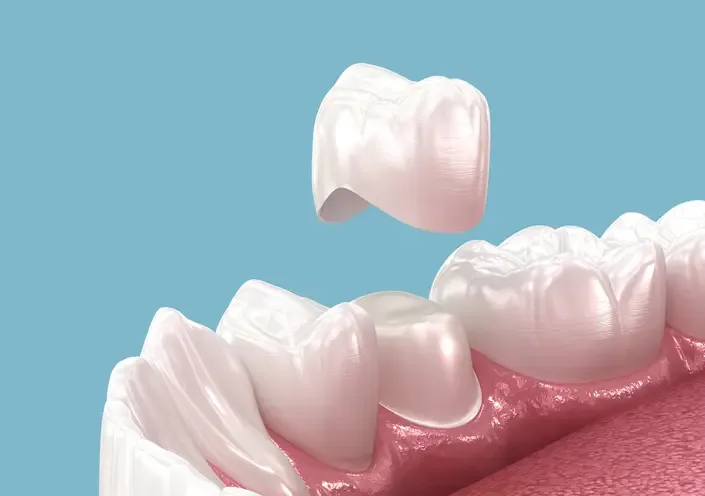
After the canals are thoroughly cleaned and disinfected, they are filled with a specialized material that helps seal the tooth against future infection. In many cases, a dental crown is recommended afterward to strengthen and protect the treated tooth.
Every treatment plan is customized based on the condition of the tooth, the severity of infection, and your long-term restorative needs.


Root Canal Recovery and Long-Term Protection
Most patients return to their normal routines within a day or two following treatment. Some mild tenderness may occur as surrounding tissues heal, but this typically improves quickly.
Protecting the treated tooth is an important part of long-term success. Depending on the tooth's condition, a dental crown may be recommended to restore strength and function.
Benefits of completing treatment include:
Root Canal Therapy FAQs
Is a root canal painful?
Modern root canal therapy is designed to be as comfortable as possible. Local anesthetic is used to numb the area, and many patients report that the procedure feels similar to receiving a dental filling. In most cases, the treatment actually relieves the pain caused by infection.
How long does a root canal take?
The length of treatment depends on the complexity of the tooth and the extent of infection. Many root canal procedures can be completed in one visit, while others may require additional appointments.
How do I know if I need a root canal?
Common signs include persistent tooth pain, prolonged sensitivity to hot or cold temperatures, swelling around a tooth, discomfort while chewing, or signs of infection. A comprehensive examination and digital imaging can determine whether root canal treatment is appropriate.
Why do I need a crown after a root canal?
A tooth that has undergone root canal therapy may become more vulnerable to fracture. A dental crown helps strengthen and protect the tooth while restoring normal appearance and function.
How long does a root canal last?
With proper care and regular dental visits, a root canal-treated tooth can often last for many years. Maintaining good oral hygiene and following treatment recommendations can help maximize long-term success.
Can I avoid a root canal?
In some situations, early treatment of decay or infection may prevent the need for root canal therapy. However, once the pulp becomes significantly infected or damaged, root canal treatment is often the most effective way to save the tooth.
What happens if I don't get a root canal?
Without treatment, infection inside the tooth may continue to spread, potentially causing increased pain, swelling, bone loss, or eventual tooth loss. Early treatment is generally the most conservative option for preserving your natural tooth.
How much does a root canal cost?
The cost of root canal therapy varies depending on the location of the tooth, the complexity of treatment, and whether additional restorative care is needed. Our team can review treatment recommendations, insurance benefits, and financing options during your visit.